


IL‑6: The Indispensable Multifunctional Cytokine
 source:ELK Biotechnology
 date:2026-08-20
 views:359
Interleukin‑6 (IL‑6) is a multifunctional cytokine consisting of 184 amino acids with a molecular weight of approximately 21‑26 kDa, varying according to its glycosylation status. Produced by multiple cell types including T‑cells, B‑cells, macrophages, fibroblasts and endothelial cells upon stimuli such as infection, inflammation and trauma, IL‑6 binds to either membrane‑bound IL‑6 receptor (mIL‑6R) or soluble IL‑6 receptor (sIL‑6R) to activate downstream signaling cascades including JAK/STAT3 and MAPK pathways, thereby exerting broad biological effects. It plays pivotal roles in immune regulation, hematopoiesis, acute‑phase response, metabolic modulation, neural development and even tumorigenesis. Given its complex functions and involvement in numerous diseases such as rheumatoid arthritis, Castleman’s disease, cytokine storm and severe COVID‑19, IL‑6 has become a key target for basic research and clinical diagnosis.
Nevertheless, researchers frequently encounter experimental challenges including inconsistent IL‑6 assay results, poor reproducibility in functional activity tests and improper sample handling. This article addresses common experimental questions and systematically outlines key technical tips for IL‑6‑related experiments to help users avoid typical pitfalls.
I. Biological Properties of IL‑6
1.1 Two IL‑6 Signaling Modes
Classical signaling: IL‑6 binds to membrane‑anchored mIL‑6R (expressed mainly on hepatocytes and certain leukocytes), followed by assembly with gp130. This complex primarily mediates anti‑inflammatory and regenerative functions.
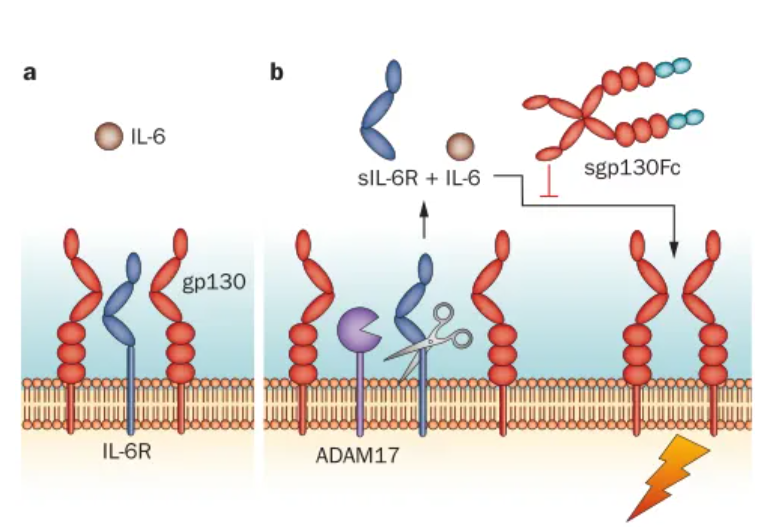
Trans‑signaling: IL‑6 interacts with soluble sIL‑6R (generated via protease cleavage or alternative splicing). The IL‑6‑sIL‑6R complex then engages gp130 and activates nearly all gp130‑expressing cells, predominantly driving pro‑inflammatory responses.

1.2 Stability and Storage of IL‑6
Temperature‑dependent stability: IL‑6 remains stable for 1‑2 weeks at 4 °C, 6 months at ‑20 °C, and can be stored long‑term at ‑80 °C. Repeated freeze‑thaw cycles substantially reduce bioactivity (approximately 10‑20 % activity loss per cycle).
Diluent selection: After reconstituting lyophilized recombinant IL‑6, prepare small aliquots (e.g. 10 μL per tube) to prevent repeated freeze‑thaw. PBS supplemented with 0.1 % BSA or 5 % trehalose minimizes protein adsorption loss during dilution.
Common issue: Poor linearity of ELISA standard curves often arises from incomplete reconstitution of standards or failure to use diluted standards within 30 minutes after preparation. Gently vortex‑rotate for 15 seconds upon reconstitution; avoid vigorous vortexing which generates bubbles.
II. Common Problems and Solutions in IL‑6 Assays
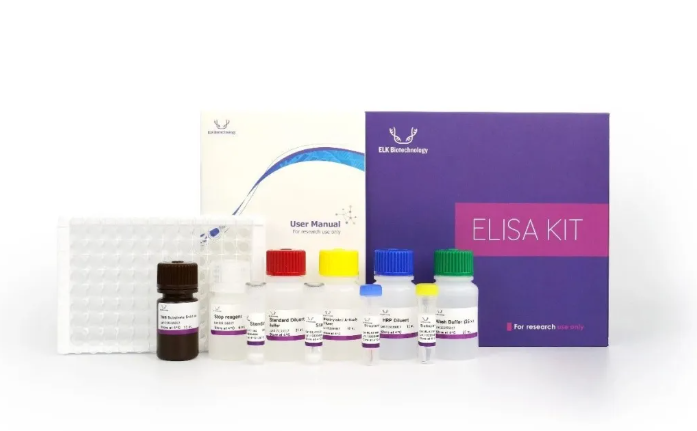
2.1 Interfering Factors in ELISA
Matrix effect: Proteins, lipids and hemolysis products present in serum, plasma or cell‑culture supernatants may interfere with antibody‑antigen binding. Use assay‑matched sample diluents supplied with the kit, or pre‑dilute samples at 1:2 ~ 1:10.
Hook effect: Excessively high IL‑6 concentrations (> 1000 pg/mL) cause antigen overload and paradoxically lower signal readouts. Retest with serially diluted samples if values appear abnormally low.
Endogenous antibody interference: Auto‑anti‑IL‑6 antibodies or rheumatoid factors in sera from rheumatoid arthritis patients may produce false‑positive or false‑negative results. Treat samples with heterophilic‑blocking reagent (HBR) or perform Protein A/G pre‑treatment.
2.2 Cytokine Release Assays
Optimization of stimulation conditions: PBMC are commonly stimulated with LPS (1 μg/mL) or PHA (5 μg/mL). Wide donor‑to‑donor variability is observed; set time‑gradient points (6 h, 12 h, 24 h, 48 h) and dose‑gradient series to define optimal stimulation parameters.
Cell density: A density of 1×10⁶ cells/mL is recommended. Excessively high cell density causes metabolite accumulation and accelerated IL‑6 degradation.
Endotoxin contamination: Endotoxin (LPS) in laboratory water, culture media or serum non‑specifically activates monocytes to secrete IL‑6 and elevates assay background. Use endotoxin‑free reagents and conduct regular endotoxin monitoring.
2.3 Intracellular IL‑6 Detection by Flow Cytometry
Protein transport inhibitors: Add Brefeldin A (10 μg/mL) or Monensin (2 μM) during the final 4‑6 hours of cell culture to block extracellular secretion of IL‑6 for intracellular cytokine measurement.
Fixation & permeabilization: Permeabilization buffer containing 0.1 % saponin is preferred. Avoid methanol, as it destroys IL‑6 epitopes. Fixed samples can be stored at 4 °C for up to one week; testing within 24 hours is advised.
III. Considerations for IL‑6 Bioactivity Assays
3.1 IL‑6‑Dependent Cell Proliferation Assays (e.g. 7TD1, B9 cells)
Cell‑line maintenance: Maintain 7TD1 cells in medium supplemented with 10 ng/mL IL‑6. Remove exogenous IL‑6 and starve cells for 12‑24 hours before functional assays to reduce background signals.
Sample preparation: Filter‑sterilize samples through 0.22 μm filters to exclude bacterial contamination that disturbs cell growth.
Detection readout: MTS or CCK‑8 assays are preferred over MTT, since formazan crystal formation interferes with absorbance reading. Typical incubation duration ranges from 48‑72 hours.
3.2 STAT3 Phosphorylation Detection via Western Blot
Stimulation time course: IL‑6‑induced STAT3 phosphorylation peaks at 5‑15 minutes and declines after 30 minutes; set multiple time points for sampling.
Phosphatase inhibitors: Supplement lysis buffer with 1 mM Na₃VO₄ and 10 mM NaF to prevent protein de‑phosphorylation.
Loading reference: Total STAT3 or β‑actin can serve as internal controls. Note that IL‑6 may up‑regulate total STAT3 expression; measure both phosphorylated‑STAT3 and total‑STAT3 simultaneously.
IV. Common Experimental Pitfalls and Countermeasures
4.1 Sample Collection and Processing
Serum versus plasma: Serum IL‑6 levels are generally higher than plasma levels because platelets release IL‑6 during coagulation. For inflammation‑related studies, consistently use either serum or EDTA‑anticoagulated plasma across all samples.
Hemolyzed samples: Proteases released from ruptured red blood cells degrade IL‑6 and yield falsely low readings.
Repeated freeze‑thaw: Aliquot serum samples for storage; limit freeze‑thaw cycles to ≤ 2. Add protease inhibitors such as PMSF for enhanced long‑term stability.
4.2 Misinterpretation of Data
Circadian rhythm of IL‑6: Serum IL‑6 in healthy individuals peaks between 6:00‑8:00 and reaches its nadir in the afternoon. Standardize blood‑collection time for clinical specimens.
Exercise and stress: Strenuous exercise can increase IL‑6 levels by more than 10‑fold. Allow subjects to rest for 30 minutes before sampling.
Age and gender factors: Elderly subjects exhibit higher baseline IL‑6 concentrations; IL‑6 fluctuates throughout the female menstrual cycle. Match control groups accordingly in experimental design.
V. Advanced Technology: Multiplexed IL‑6 Detection and Single‑Cell Analysis
Advances in microfluidics and mass cytometry (CyTOF) enable simultaneous profiling of multiple cytokines secreted by individual cells. For instance, fluorescence‑encoded microspheres coated with IL‑6 capture antibodies permit multiplex measurement of IL‑6, TNF‑α, IL‑1β and other analytes within a single well. Key caveats are listed below:
- Cross‑reactivity: Antibody cross‑reactivity among different cytokines must be validated for assay specificity.
- Sensitivity: Single‑cell IL‑6 secretion occurs at the femtogram level. High‑sensitivity kits with limit‑of‑detection < 0.1 pg/mL are required.
VI. Summary and Recommendations
Acting as a double‑edged‑sword cytokine, IL‑6 demands precise quantification and functional characterization for understanding immune regulation. Core practical suggestions are as follows:
- Standardize workflows: Establish a formal SOP covering sampling timing, anticoagulant selection, storage temperature and permissible freeze‑thaw cycles.
- Implement quality control: Include IL‑6 positive‑control samples of known concentration plus blank controls in every assay batch.
- Cross‑platform validation: Confirm ELISA findings using Luminex or MSD to mitigate bias originating from a single detection platform.
- Monitor sIL‑6R: Always measure sIL‑6R alongside IL‑6 when investigating trans‑signaling, otherwise misleading conclusions may be drawn.
- Track latest literature: As of 2026, IL‑6‑based monitoring for cytokine‑release syndrome (CRS) in CAR‑T therapy remains a research hotspot; follow updated clinical guidelines.
We hope this document helps resolve common challenges in IL‑6 experiments. Feel free to reach out for further technical support regarding practical laboratory issues.

 RETURN